Explorer Package
Introduce immersive learning — safely and simply
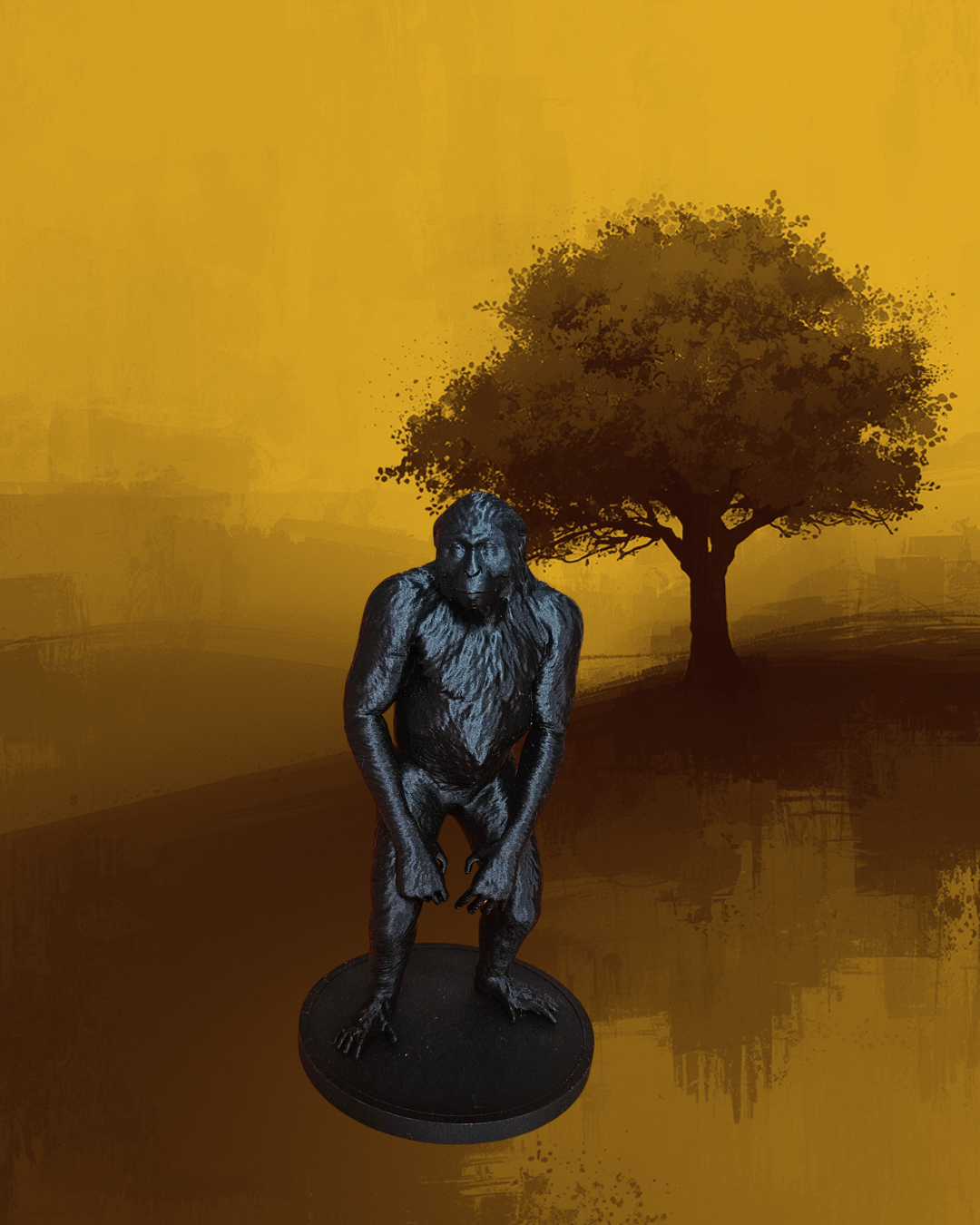
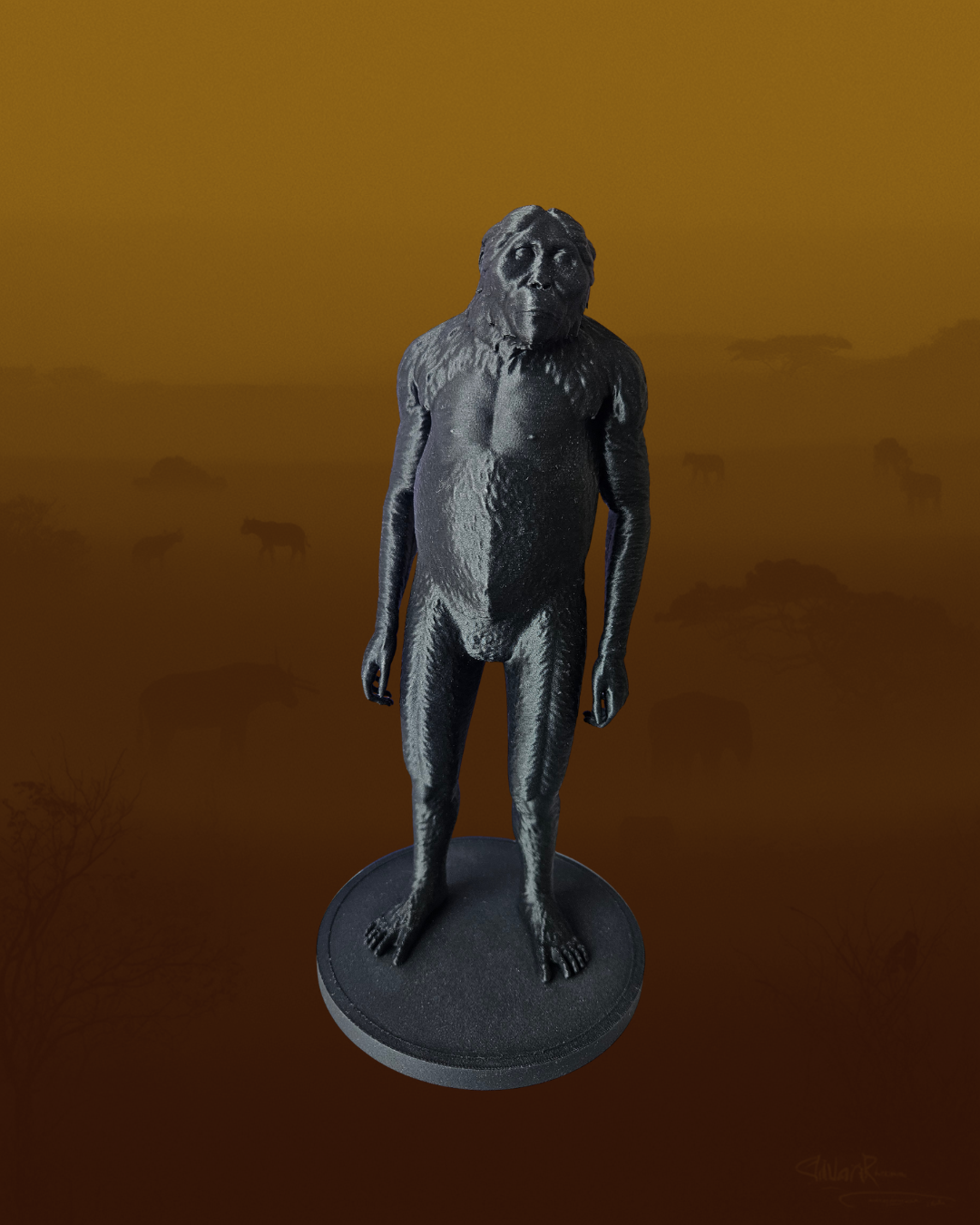
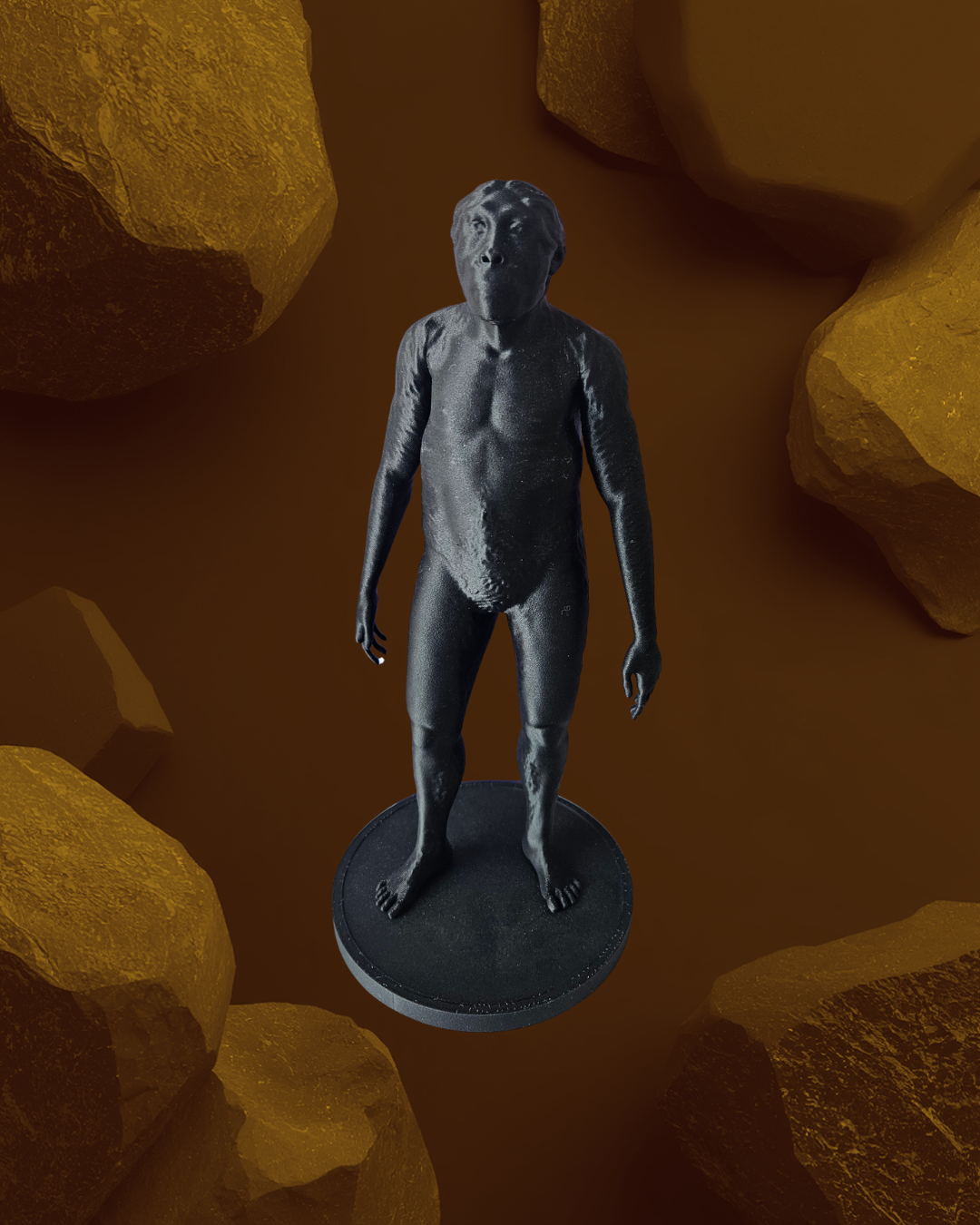
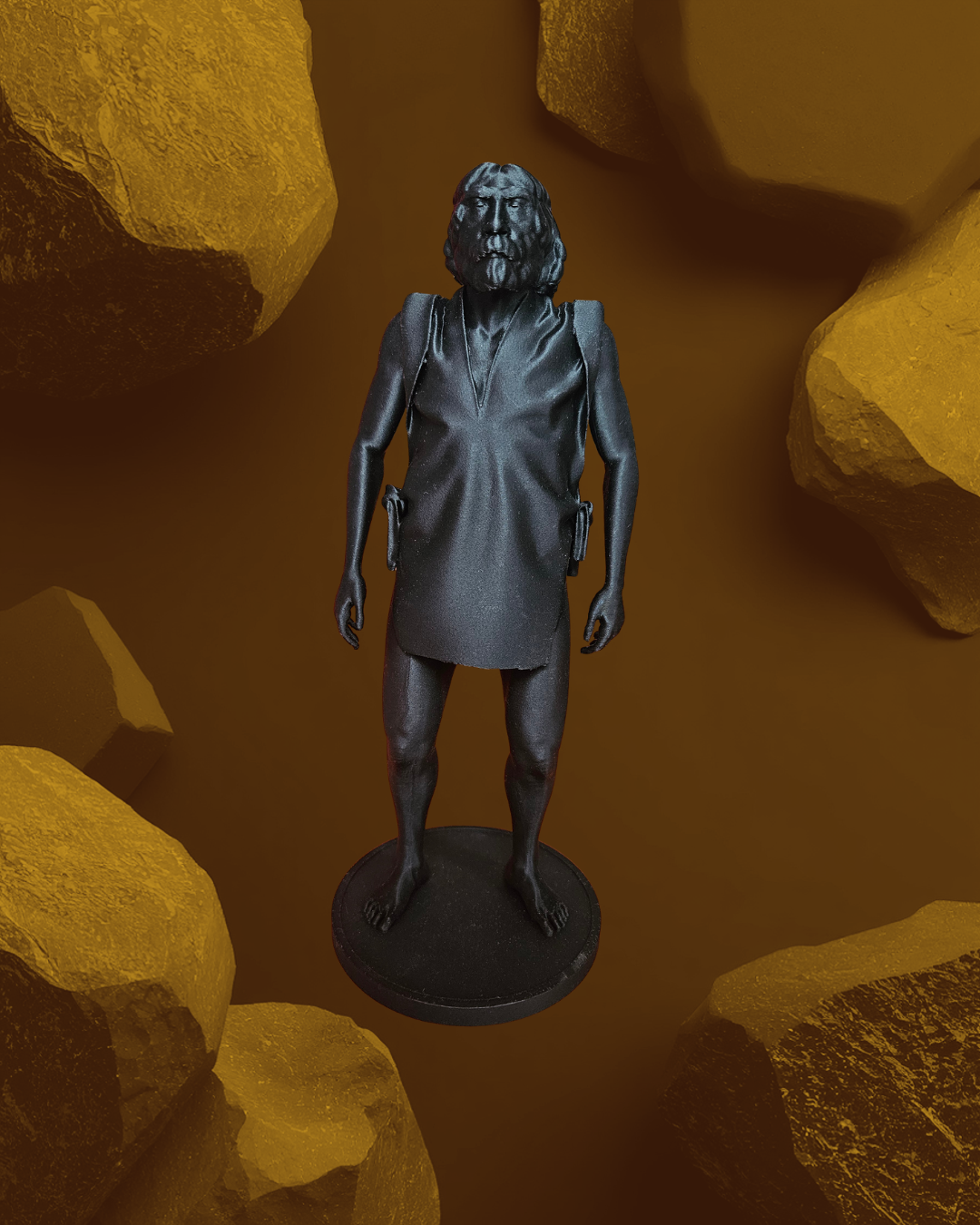
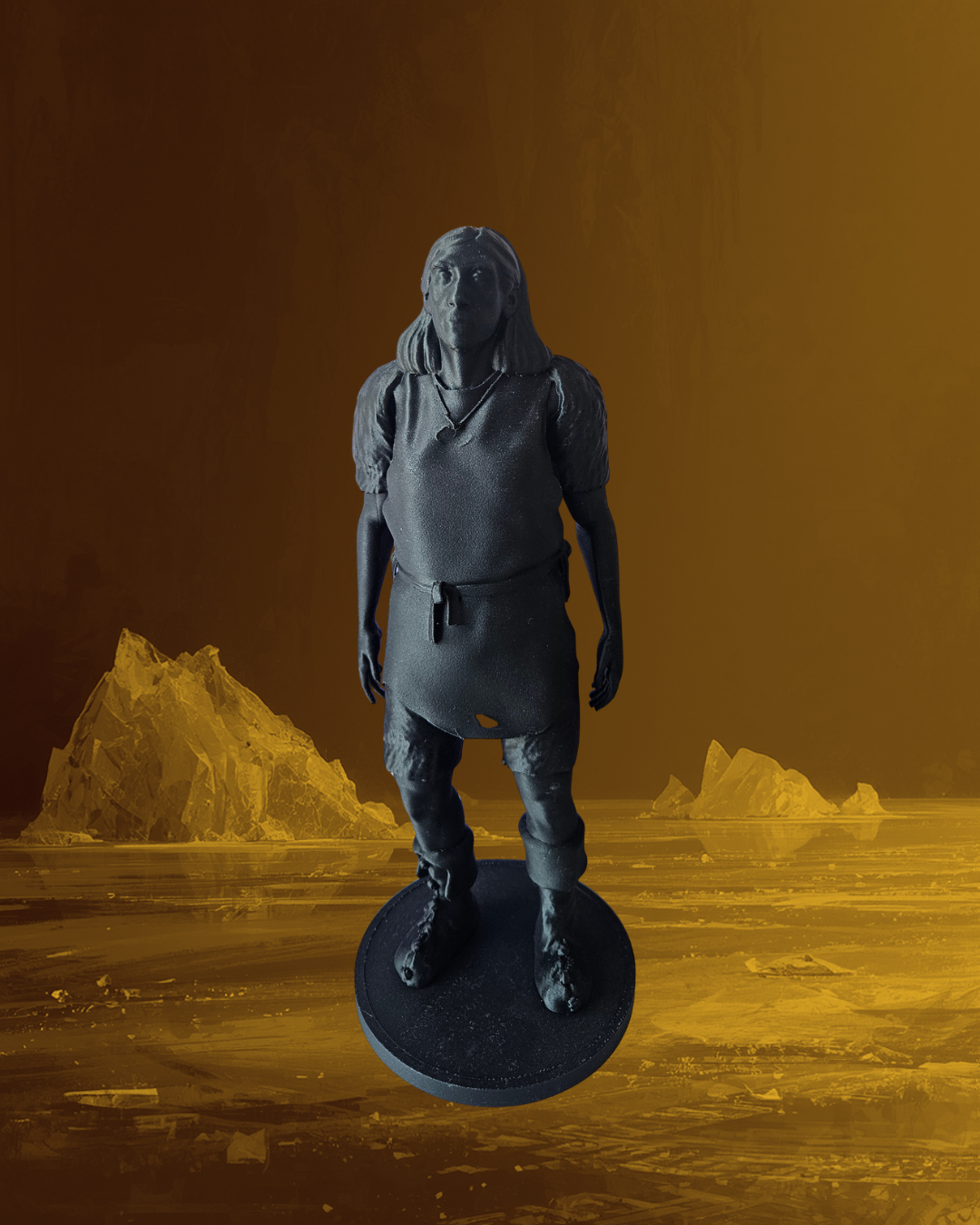
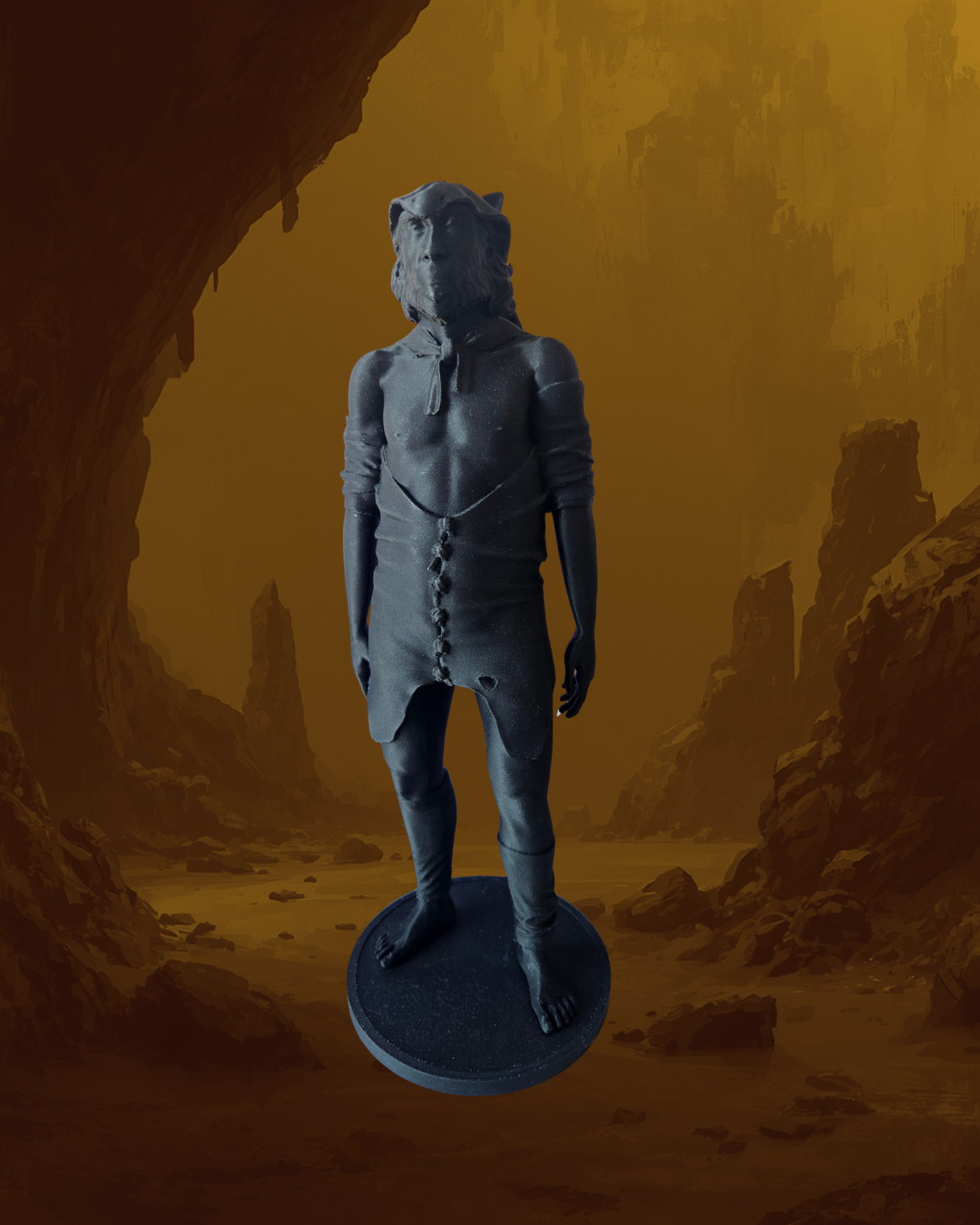
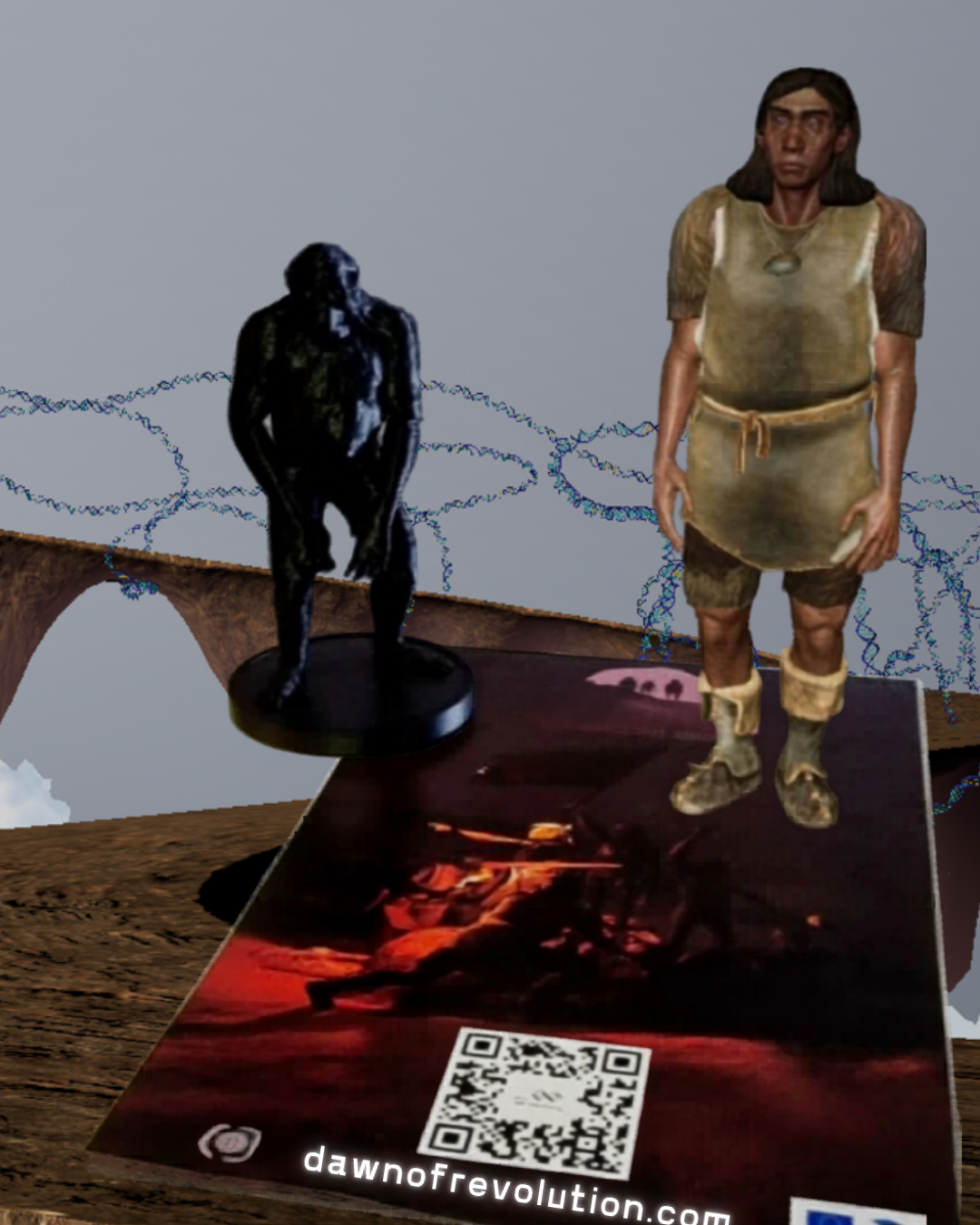
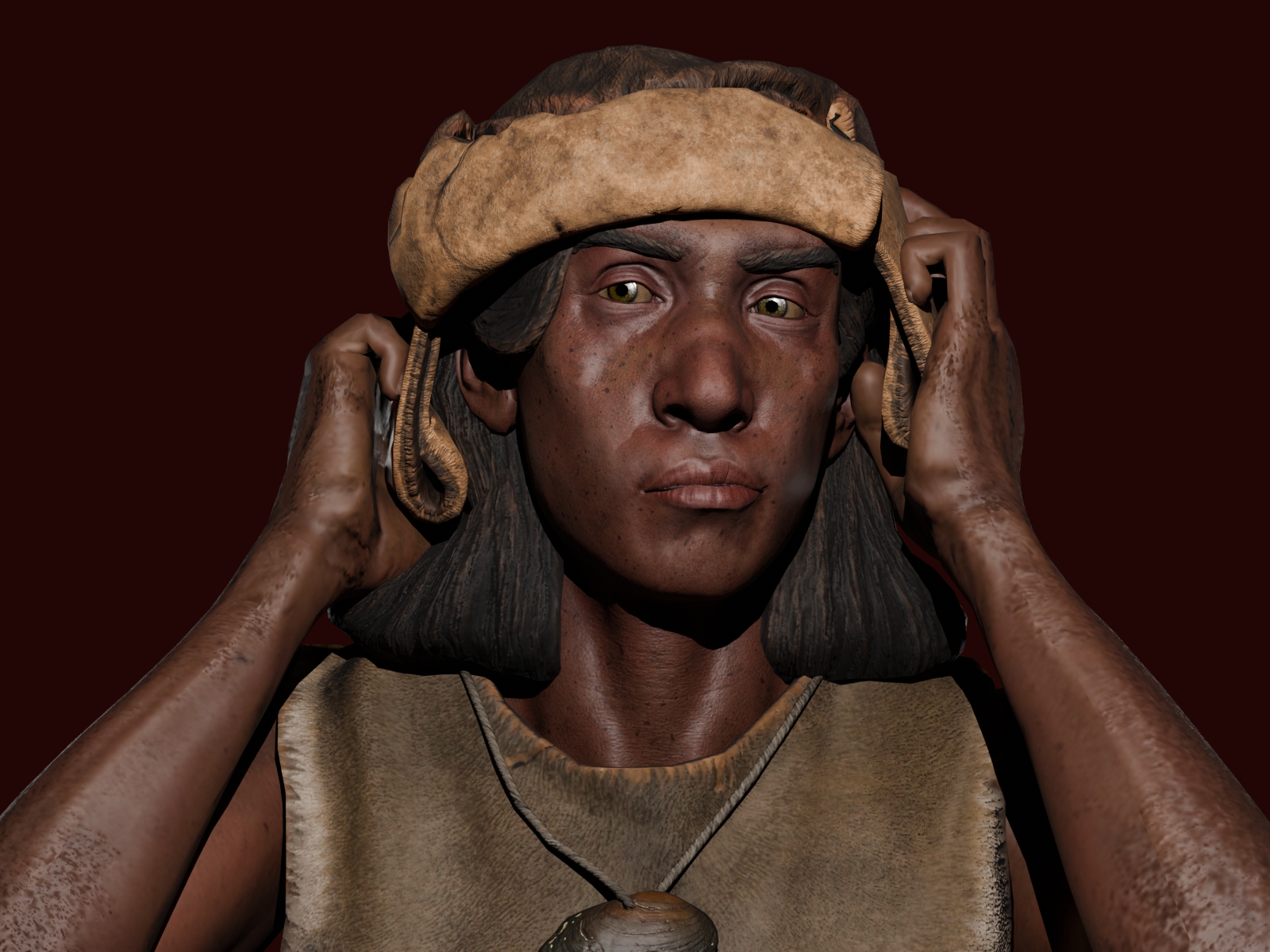
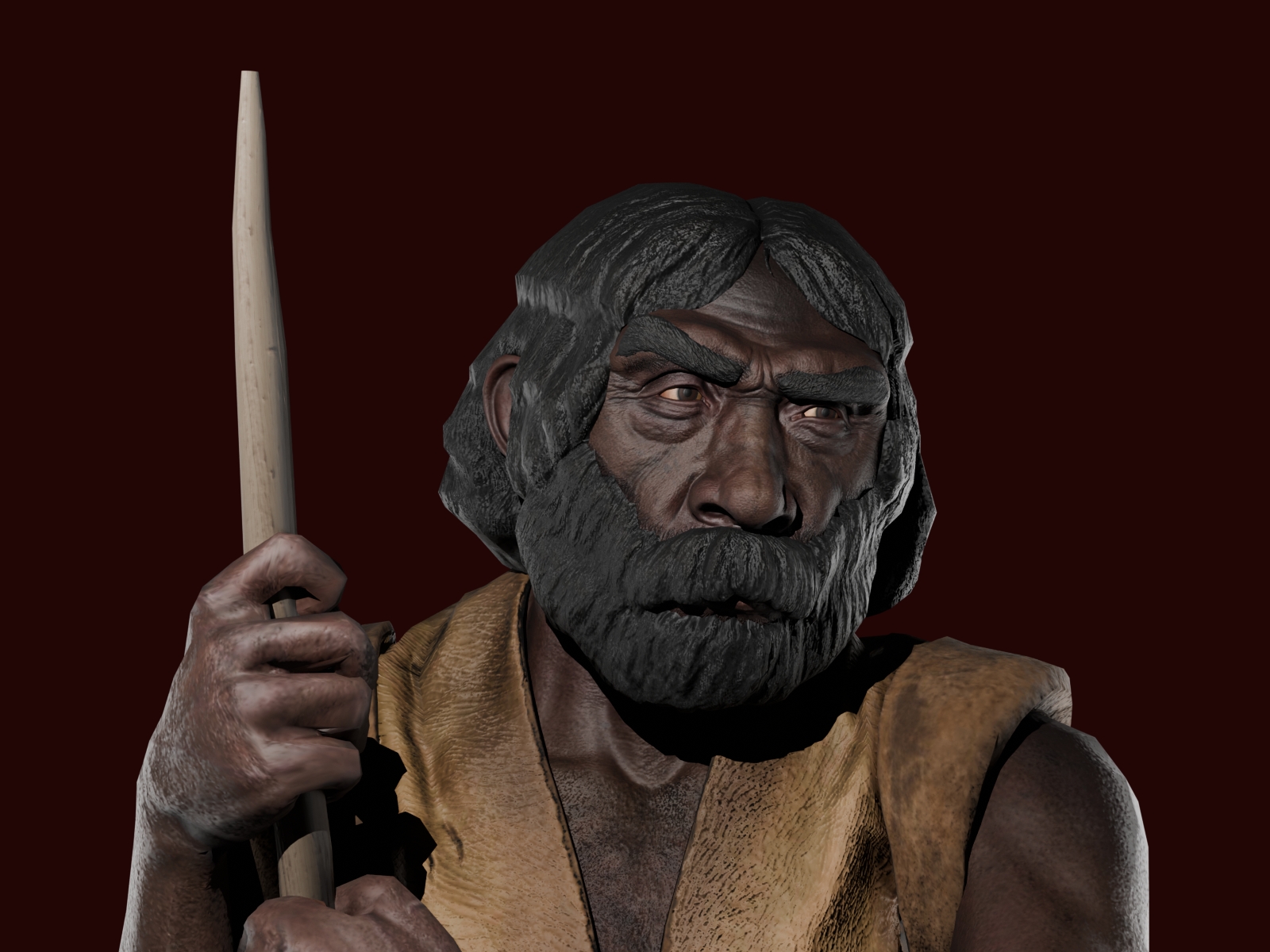
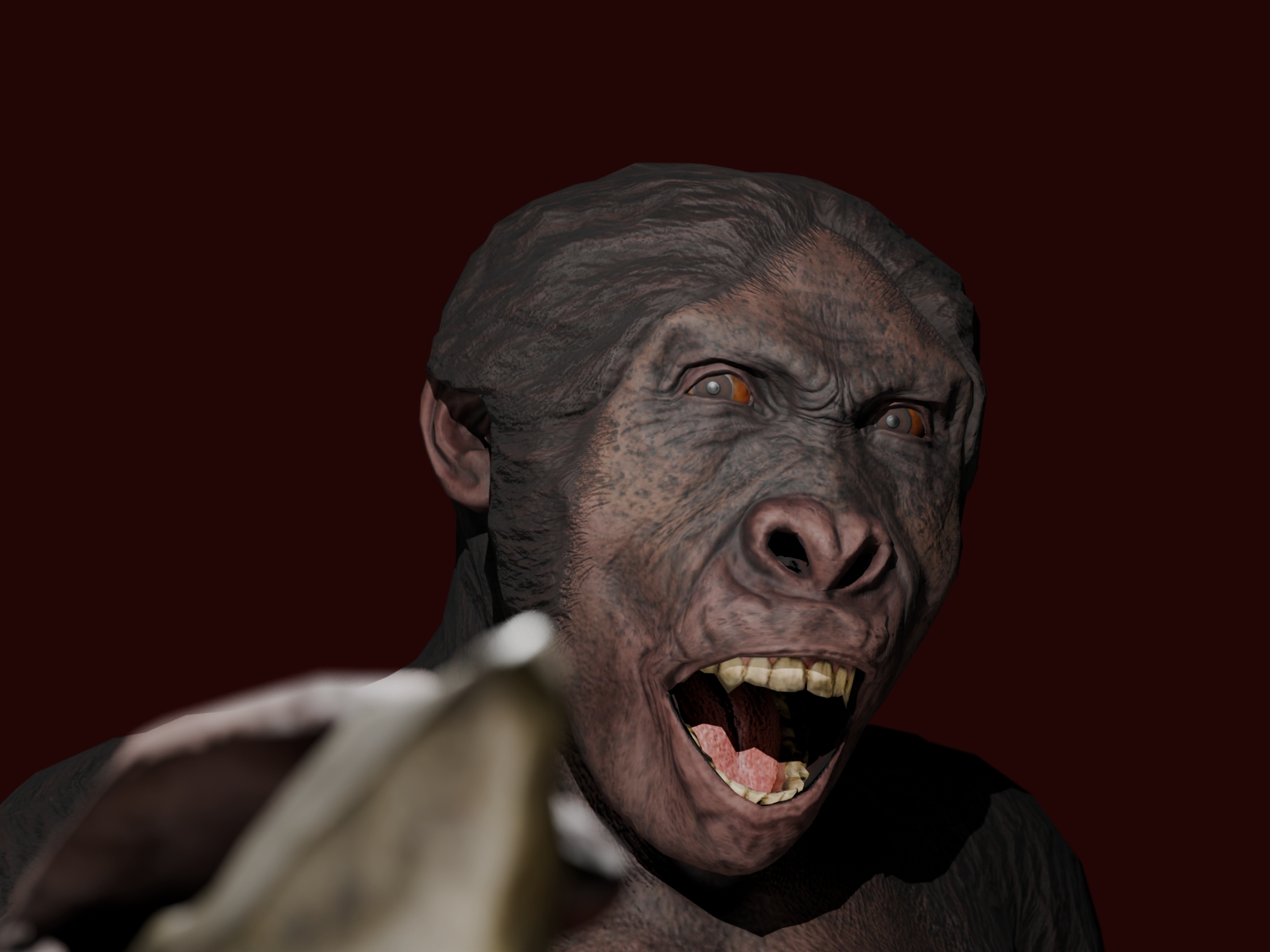
- 3D Models of Human Ancestors (Ardipithecus ramidus, Australopithecus africanus, Homo habilis, Homo erectus, Homo neanderthalensis, Homo sapiens)
- AR enabled worksheets
Introduce immersive learning — safely and simply
Curriculum-aligned immersive VR learning experience
Turnkey immersive classroom — fully equipped and supported
Tell us a bit about your school and we’ll contact you with a tailored offer.
Objective: Develop curiosity about the story of human evolution and learn how to use the VR controllers.
Overview: This introductory experience welcomes students into the game and sets the stage for the journey ahead. Its central idea is connected to the fossil remains of our ancestors discovered so far — they are surprisingly few in number, so few that they could all fit into an ordinary lorry. The introductory experience also helps students develop essential VR skills, including using the controllers, moving through the environment, and more.
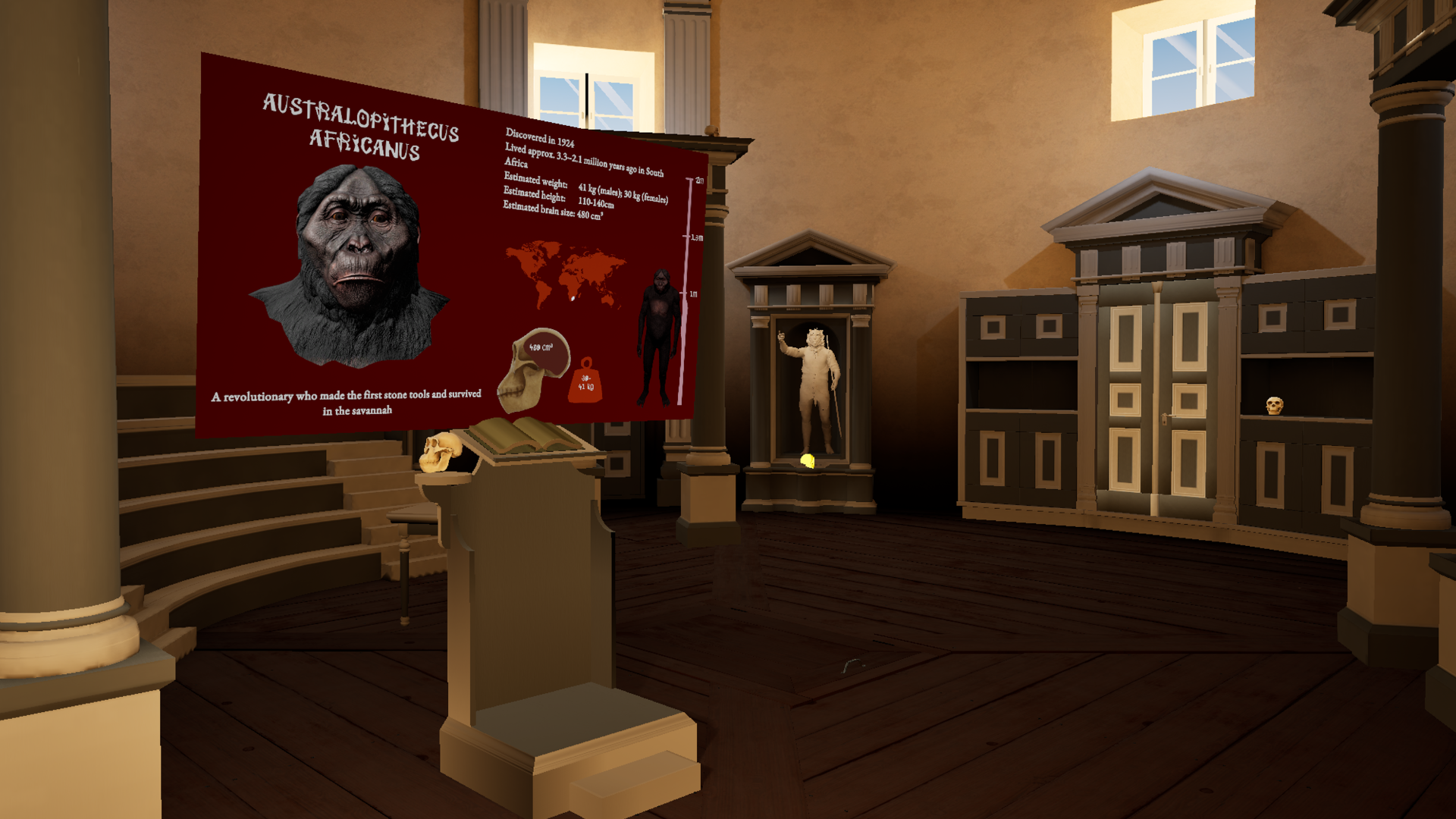
Objective: Identify key hominin species and place them within the broader story of human evolution. Compare physical differences between ancestors.
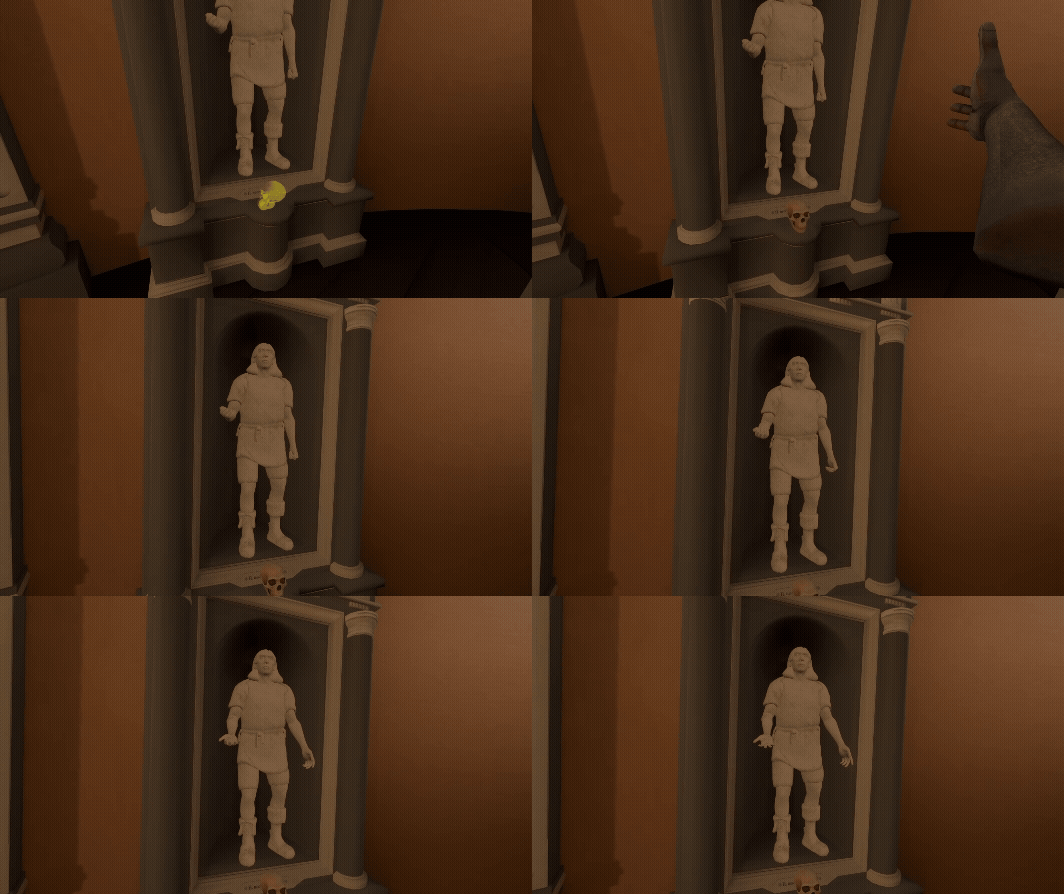
Overview: Set in a Neoclassical rotunda, this experience pays tribute to Charles Darwin and his work On the Origin of Species. Through skull comparisons and narrative guidance, students are introduced to our ancestors, from Ardipithecus ramidus to Homo sapiens. The experience helps students understand that human evolution was not a single great leap, but a long and complex process shaped by many different species.
Objective: Understand the environmental pressures that shaped early human evolution. Explore why moving from the trees to the ground was a major evolutionary change.
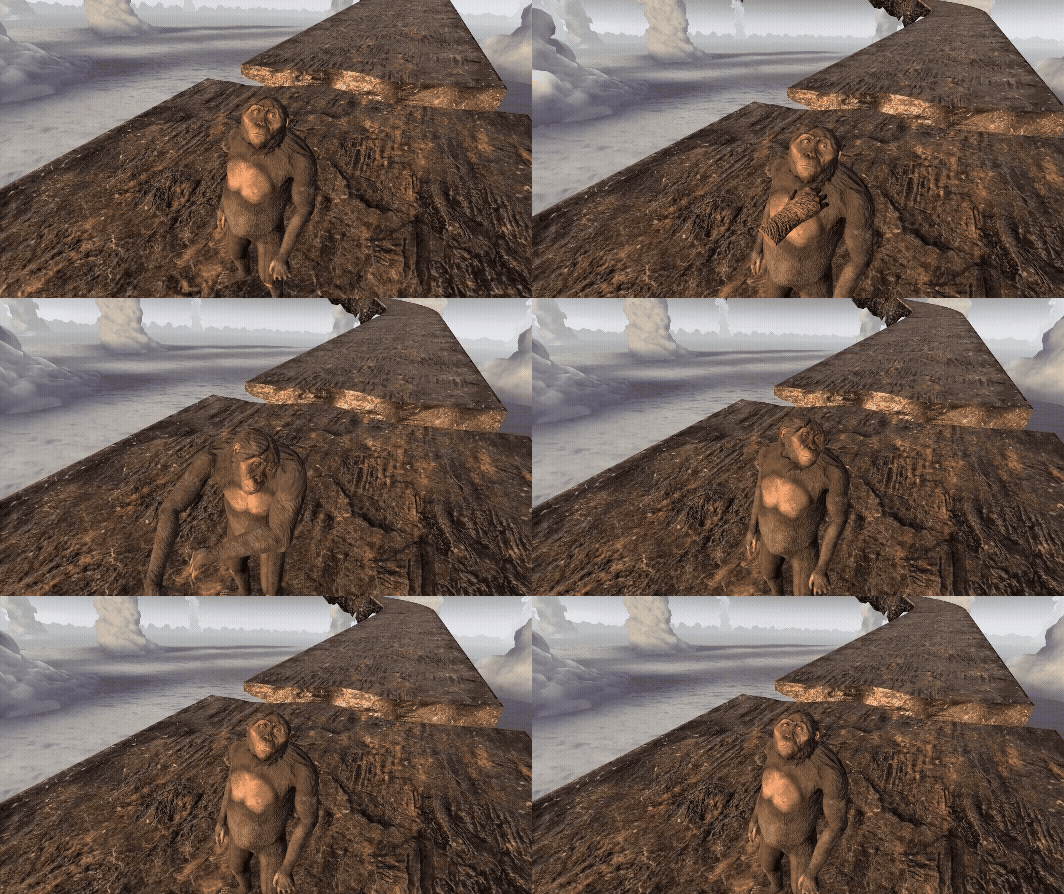
Overview: Set in the savannah, this experience immerses students in a world of danger, change, and adaptation. By following Ardi and confronting the challenges of life on the ground, students discover why leaving the trees was such a revolutionary step in human evolution. The experience shows that descending from the trees and stepping onto dangerous ground was not a voluntary choice, but a necessity forced by changing conditions.
Objective: Understand why the Laetoli Footprints are important evidence in the story of human evolution. Learn about cultural heritage and its connections with art history.
Overview: Returning to the rotunda, students begin collecting Ancestral Knowledge. At the centre of the experience is the discovery of the Laetoli Footprints — one of the most important pieces of evidence for early bipedalism. The experience also connects science with cultural heritage: the ancestor statues are inspired by classical works of art such as Michelangelo’s David and Myron’s Discobolus. In this way, the story of human origins is interwoven with the artistic traditions through which people have represented the human body across time.
Objective: Understand that life on Earth developed over vast geological ages. Explore how important biological traits emerged through evolution, including the general principles of heredity, body symmetry, the skeleton, and many other features that testify to a long and continuous history of development. The experience helps students understand that many features of the human body have deep evolutionary roots shared with earlier life forms.
Overview: Set in a fantasy environment, this experience takes students on a journey to the very earliest beginnings of life on Earth. Students move along the Evolution Path and encounter major stages in the development of life — from cells and DNA to embryos and depth perception. By turning scientific concepts into memorable experiences, the experience helps students understand evolution as a long and interconnected process.
Objective: Understand that evolution followed many different paths, and that not all of them ensured survival. Learn about the development of early stone tool industries and the greatest achievements of the ancestors who lived within them.
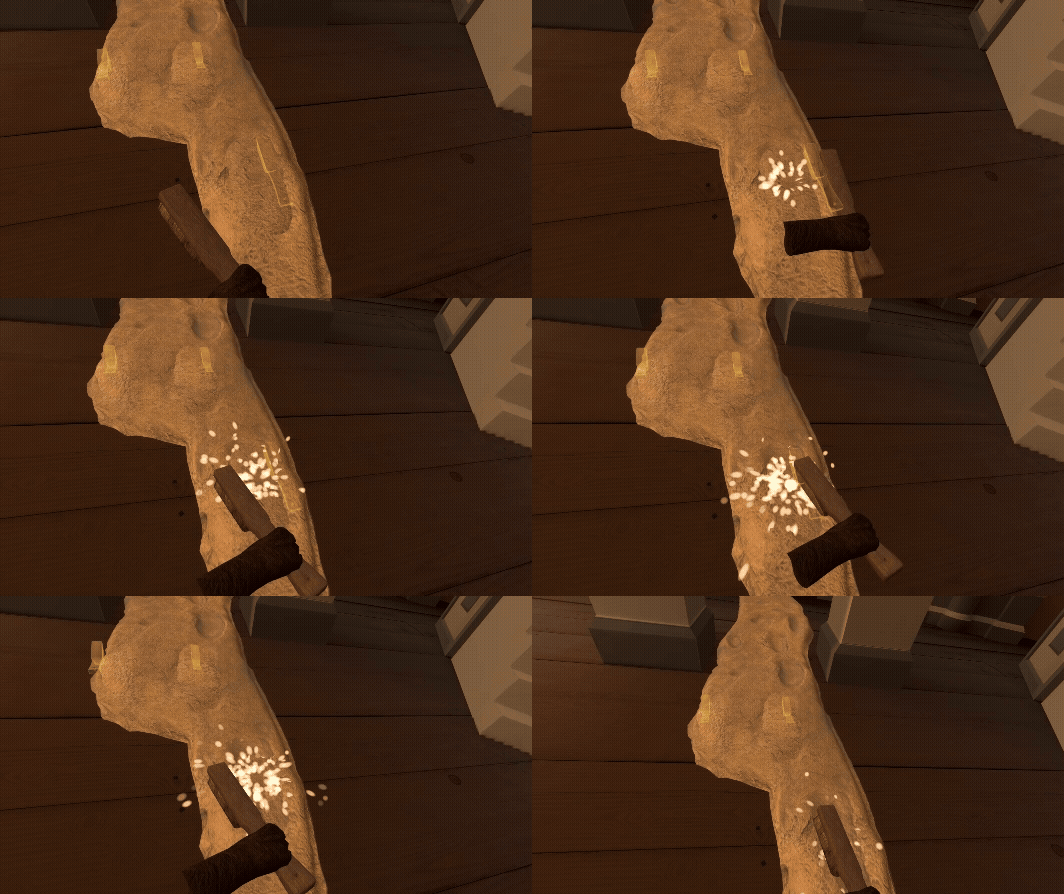
Overview: Set in a maze, this experience symbolises the many possible paths of human evolution and shows that the story of human development was not a straight line. In the maze, students discover early stone tool industries and experience how one evolutionary breakthrough led to another. The main character of the Lomekwian industry, Australopithecus africanus, helps students understand the importance of bipedalism; Homo habilis reveals the importance of bone marrow; and Homo erectus introduces key inventions. With the help of Homo erectus, students journey out of Africa, conquer Asia with the hand axe, and eventually reach familiar Europe.
Objective: Understand how empathy, cooperation, and care may have improved survival in early human communities. Explore how art, music, and rituals provide evidence of prehistoric people’s emotions, symbolic thinking, and social relationships.
Overview: Set in a cave system during the harsh conditions of the Ice Age, this experience explores empathy and its role in human evolution. Through encounters with a Neanderthal and Homo sapiens, students discover that survival depended not only on strength and skill, but also on care, imagination, the arts, and companionship.
3D model
3D model
3D model
3D model
3D model
3D model
Coming soon!
Game modes: Single User
Supported platforms: Meta Quest 3S, Meta Quest 3, Meta Quest 2
Category: Games
Genres: Education
Languages: English, Estonian, German, Dutch, Italian, Spanish
Duration:
Privacy Policy: Privacy Policy
Terms of Service: Terms of Service
Space required: 1.23 GB
Internet connection: Internet connection not required
Lesson plans to conduct an effective lesson using VR devices, AR and 3D models.
Fast Guide How To Kick-Start VR Use in Your School One-Pager
Assigning a contact person in school
VR game runs on Meta Quest 3, Pico Ultra. These are standalone VR headsets don't require a PC or external sensors.
Yes, to ensure successful implementation in your classroom, all bundles include teacher training and support.
Our curriculum is designed for high school and middle school history and biology classes.
We can help you acquire suitable headsets.
No, we don't collect any student data. Our VR game works completely offline.
MDM is not required, but can be helpful for managing multiple headsets.
This website has been designed and built to meet WCAG 2.2 AA accessibility guidelines. We use technical solutions and content principles to make information accessible to as many people as possible. You can also improve accessibility using browser/OS settings and the on-page accessibility panel (including changing fonts).
A more detailed guide (in English): AbilityNet guide.
You can navigate this website using only a keyboard. Use Tab and arrow keys. Each Tab press moves focus to the next interactive element. Press Enter to activate the focused link.
The first link intended for keyboard users is “Skip to main content” (skip link), which bypasses the header/menu and moves to the main content.
You can change contrast to make reading easier. Use the “Contrast” options in this panel (yellow/black or default).
We recommend using your browser’s built-in zoom features first.
Hold Ctrl (macOS: Cmd) and scroll up/down.
Use the pinch-to-zoom gesture.
Open the browser menu (⋮ or ≡), choose Zoom, and adjust the percentage.
Windows 10/11: use Magnifier from the Start menu (search “Magnifier”).
macOS: Apple menu > System Preferences > Accessibility > Zoom.
A screen reader interprets on-screen content and outputs it in other formats (e.g., audio).
Content is created to be understandable for screen readers: images have text alternatives and structure supports logical navigation.
Popular screen readers:This website is partially compliant with WCAG 2.2 Level AA.
Non-accessible content and functions:
• The “Skip to main content” link may not function consistently across all templates. (WCAG 2.4.1 Bypass Blocks)
• The mobile navigation toggle button is not fully localized in all languages. (WCAG 3.1.2 Language of Parts)
• Some decorative or branding images lack descriptive alternative text. (WCAG 1.1.1 Non-text Content)
• Certain interactive components (such as modals or navigation panels) may not always preserve logical focus order. (WCAG 2.4.3 Focus Order)
We aim to implement a working skip-link solution (with a focusable target) and provide an accessible alternative for sending feedback.